
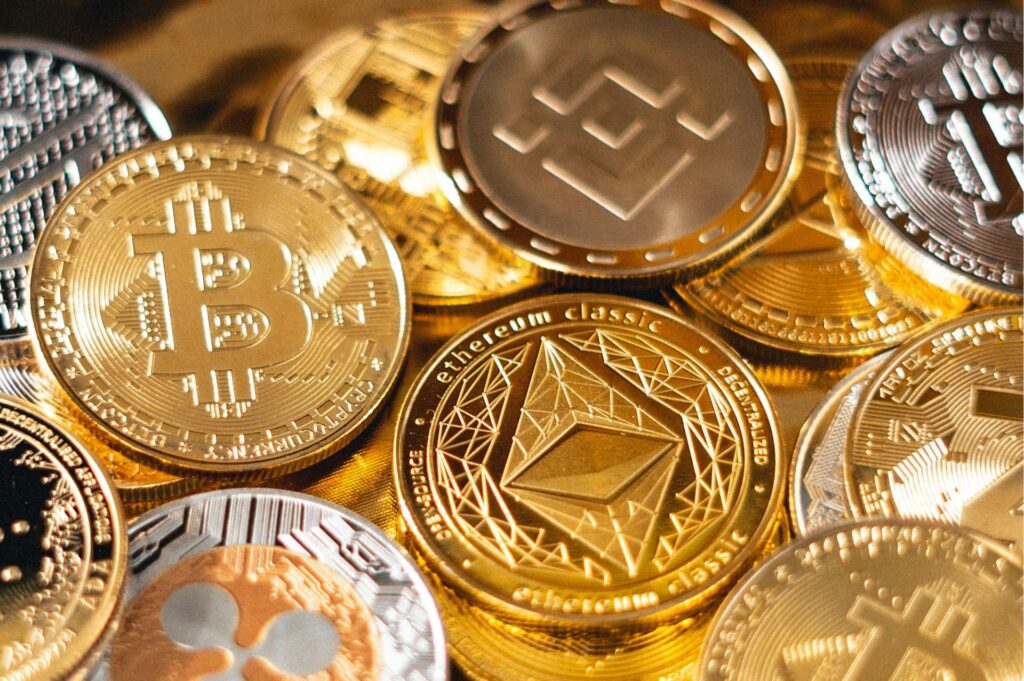
Altcoins Explained: A Beginner’s Guide
If you’re new to cryptocurrency, you may have heard the term altcoins. These are digital currencies that exist as alternatives to Bitcoin. While Bitcoin is mainly a digital currency and store of value, altcoins often introduce unique features, technologies, and applications.
In this guide, we’ll cover what altcoins are, explore some popular examples, and explain how they differ from Bitcoin and Ethereum, helping beginners better understand the crypto world.
Understanding Alternative Cryptocurrencies
The term “altcoin” stands for “alternative coin.” Essentially, any cryptocurrency that isn’t Bitcoin is considered an altcoin. Many of these coins aim to improve on Bitcoin’s technology or serve specialized purposes. Some focus on faster transactions, while others support decentralized applications or eco-friendly blockchain solutions. If you’d like a formal definition, see What is an Altcoin? by CoinMarketCap.
Notable Examples of Altcoins
Thousands of altcoins exist today, each serving different needs. A few widely recognized options include:
-
Ethereum (ETH): Powers smart contracts and decentralized apps, going beyond simple currency.
-
Cardano (ADA): Known for its research-driven approach and sustainability focus.
-
Solana (SOL): Offers high-speed, low-cost transactions, ideal for gaming and DeFi.
-
Ripple (XRP): Designed for fast cross-border payments.
These examples demonstrate that altcoins often provide distinct functionality compared to Bitcoin.
How They Differ from Bitcoin and Ethereum
While Bitcoin introduced the cryptocurrency concept, altcoins frequently offer alternative solutions:
-
Purpose: Bitcoin is mainly a store of value. Altcoins can focus on payments, DeFi, smart contracts, or gaming.
-
Technology: Some use Proof-of-Stake or other consensus methods for speed and energy efficiency.
-
Governance: Many allow holders to participate in project decisions, unlike Bitcoin.
Ethereum is technically an altcoin, but its ability to power decentralized apps sets it apart from most other cryptocurrencies.
Practical Uses for Alternative Coins
Altcoins are more than digital money—they have real-world applications:
-
Decentralized Finance (DeFi): Coins like Aave and Compound allow lending and borrowing without banks.
-
Smart Contracts: Ethereum and Cardano enable automated agreements and decentralized apps.
-
Payments: Litecoin and Ripple prioritize fast, affordable transactions.
-
Gaming and NFTs: Solana and Flow support blockchain-based games and NFT marketplaces.
By understanding these use cases, beginners can see how different coins meet different needs in the crypto ecosystem.
Investing in Alternative Cryptocurrencies
Altcoins can offer opportunities but carry higher risk than Bitcoin. If considering investment:
-
Research the project and team thoroughly.
-
Evaluate the coin’s use case and real-world applications.
-
Only invest money you can afford to lose.
Diversifying with select altcoins can complement a Bitcoin-focused portfolio, but caution and research are essential.
Key Takeaways
Altcoins illustrate the diversity and innovation within cryptocurrency. From Ethereum’s smart contracts to Ripple’s payments solutions, these coins address unique challenges in the crypto world.
Understanding what they are and how they differ from Bitcoin and Ethereum helps beginners make informed decisions and explore opportunities beyond the original cryptocurrency.