
Crypto Wallets 101: Hot Wallets vs. Cold Wallets
If you’re new to cryptocurrency, understanding crypto wallets 101: hot wallets vs. cold wallets is essential. Crypto wallets are where your digital assets live, and choosing the right one can make the difference between keeping your crypto safe or risking it to hackers. In this guide, we’ll break down the types of wallets, how to choose one, and the security tradeoffs you need to know.
What Are Crypto Wallets?
A crypto wallet is a tool that allows you to store, send, and receive cryptocurrencies securely. Wallets don’t actually hold your crypto—they store the private keys that give you access to your funds on the blockchain. Think of a wallet as the key to your digital vault.
There are two main categories:
-
Hot Wallets – connected to the internet
-
Cold Wallets – kept offline
Hot Wallets: Easy Access but Higher Risk
Hot wallets are online wallets connected to the internet. They’re convenient for frequent trading and day-to-day crypto transactions.
Types of Hot Wallets
-
Mobile Wallets – apps on your phone, easy for quick transactions
-
Desktop Wallets – software installed on your computer
-
Web Wallets – accessed through a browser, often hosted by exchanges
If you want an easy-to-use option for managing your crypto on the go, you can try the Coinbase Wallet, a popular hot wallet app for beginners.
Security Considerations
Hot wallets are user-friendly but more vulnerable to hacks and malware. They’re ideal for small amounts of crypto or daily use, but not for storing large amounts long-term.
Cold Wallets: Maximum Security
Cold wallets are offline wallets that keep your private keys away from the internet. These are ideal for long-term storage and protecting larger sums of crypto.
Types of Cold Wallets
-
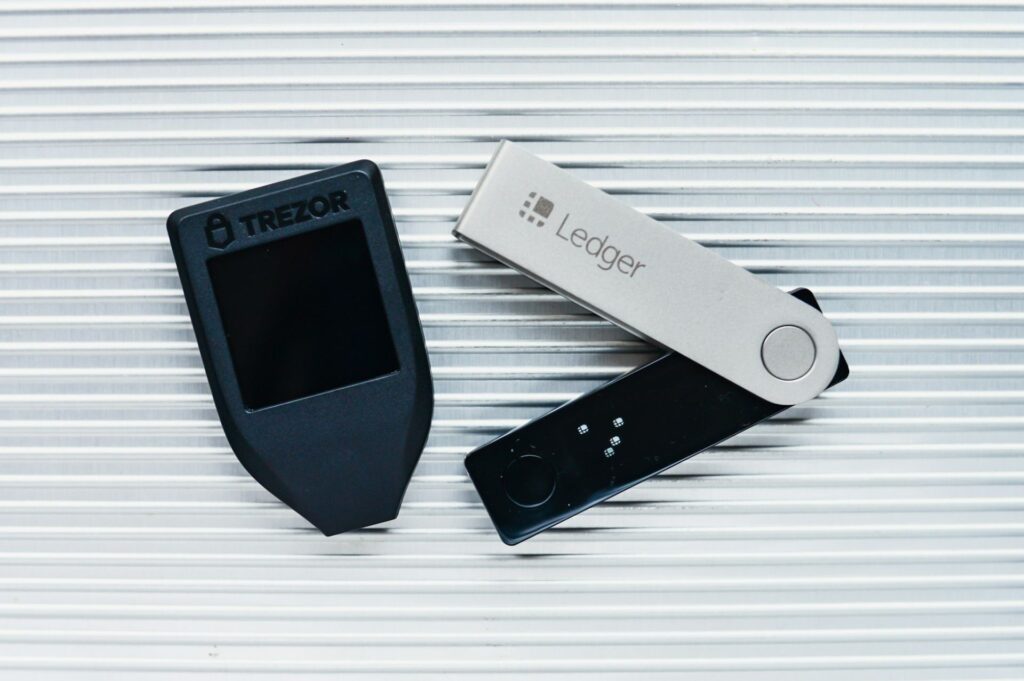
Hardware Wallets – physical devices like Ledger or Trezor
-
Paper Wallets – printouts of your private keys and QR codes
For maximum security and long-term storage, you can use a Ledger hardware wallet , a trusted cold wallet that keeps your cryptocurrency offline and safe from hacks.
Security Considerations
Cold wallets are much safer from cyberattacks but less convenient for frequent transactions. Losing your device or paper backup without proper recovery methods can result in permanent loss.
How to Choose Between Hot and Cold Wallets
Choosing the right wallet depends on your needs:
-
For active trading: Hot wallets provide convenience and speed
-
For long-term storage: Cold wallets offer maximum security
-
For beginners: Consider a combination—store small amounts in hot wallets and the rest in cold storage
Tips for Keeping Your Crypto Safe
-
Use strong passwords and two-factor authentication for hot wallets
-
Always backup your cold wallet and store the backup securely
-
Avoid sharing private keys with anyone
-
Keep software and devices updated to prevent vulnerabilities
Conclusion
Understanding crypto wallets 101: hot wallets vs. cold wallets is a crucial step for anyone starting in crypto. By knowing the types, security tradeoffs, and how to choose, you can protect your digital assets while enjoying the benefits of cryptocurrency. Once you’ve chosen the right wallet, you’re ready to start buying crypto—check out our guide on how to buy your first cryptocurrency to get started safely.