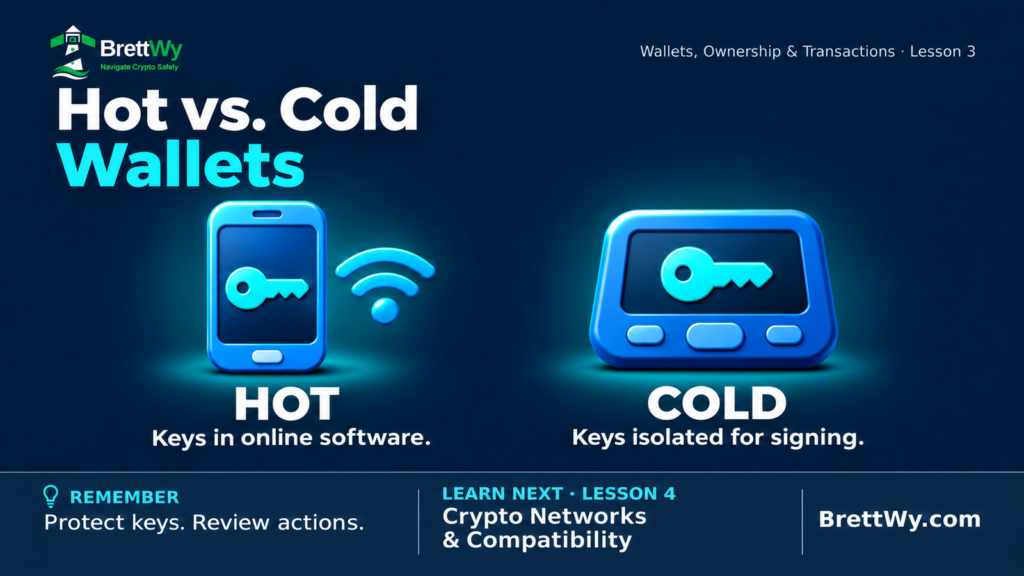
Hot vs. Cold Wallets: Key Differences and Tradeoffs
Learn how hot and cold wallets differ, how hardware wallets fit in, and what offline key protection can—and cannot—protect against.

Learn how hot and cold wallets differ, how hardware wallets fit in, and what offline key protection can—and cannot—protect against.
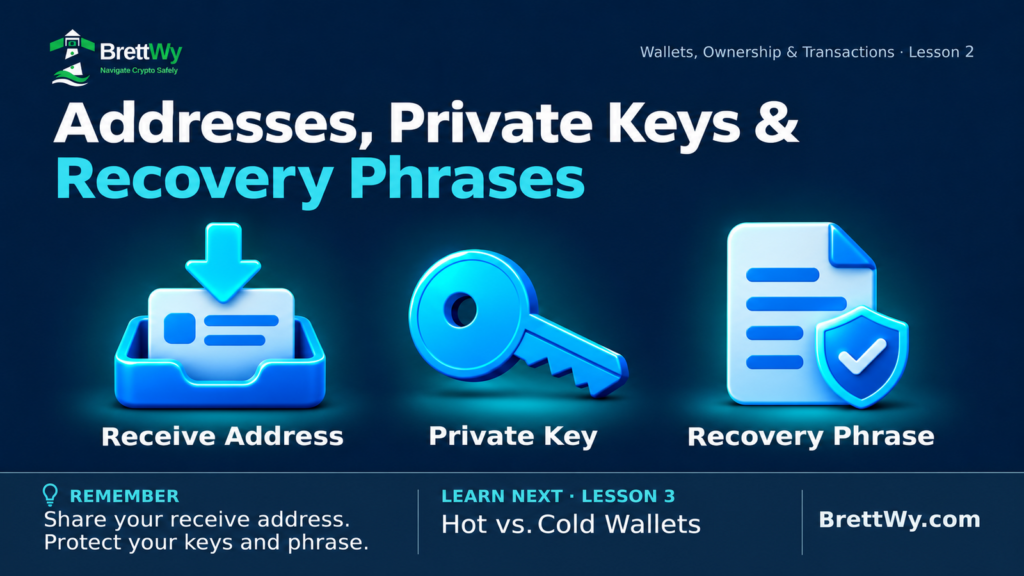
Learn the difference between wallet addresses, private keys, and recovery phrases. Understand what to share when receiving crypto, what to keep secret, and what your wallet requires to recover access.
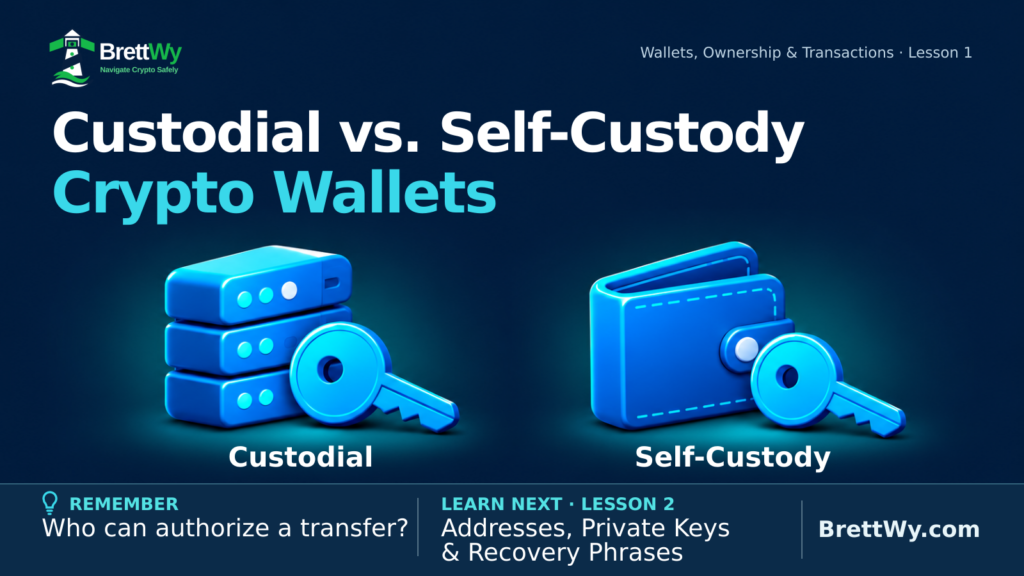
Learn how custodial and self-custody wallets differ, who can authorize transfers, and how each setup affects recovery. Understand the risks and responsibilities before choosing how to access your crypto.
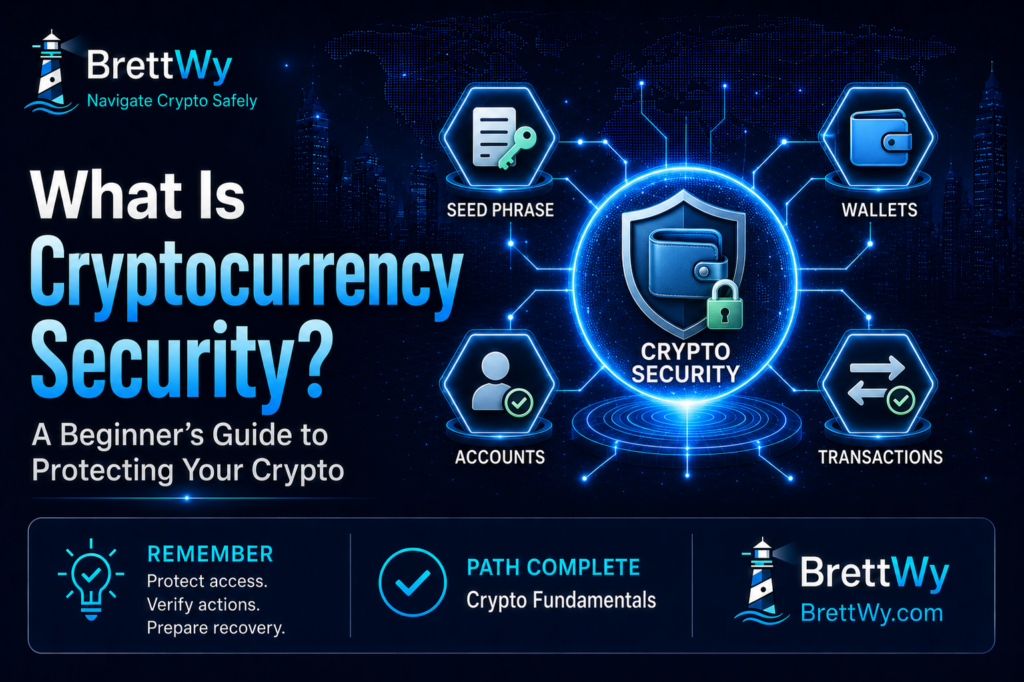
Learn practical ways to protect your crypto, secure your wallets and accounts, safeguard recovery phrases, and recognize common scams. A beginner-friendly guide to building safer habits and understanding the risks.
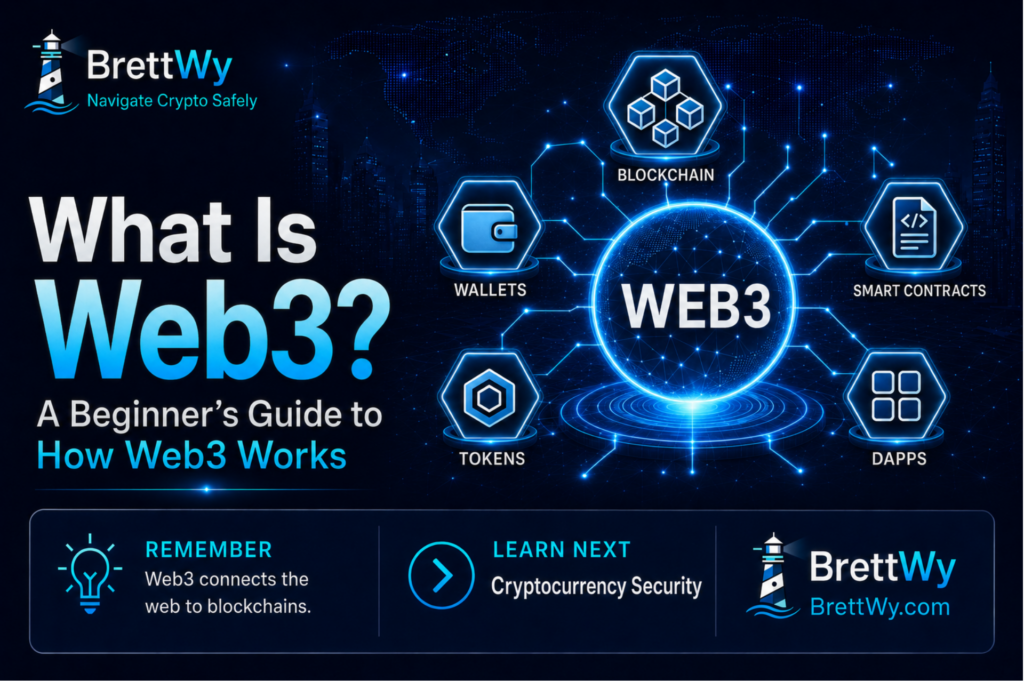
Explore what Web3 means, how it uses blockchains, and how it differs from today’s internet. Learn about wallets, decentralized apps, and digital ownership, along with the practical limitations and security risks beginners should understand.
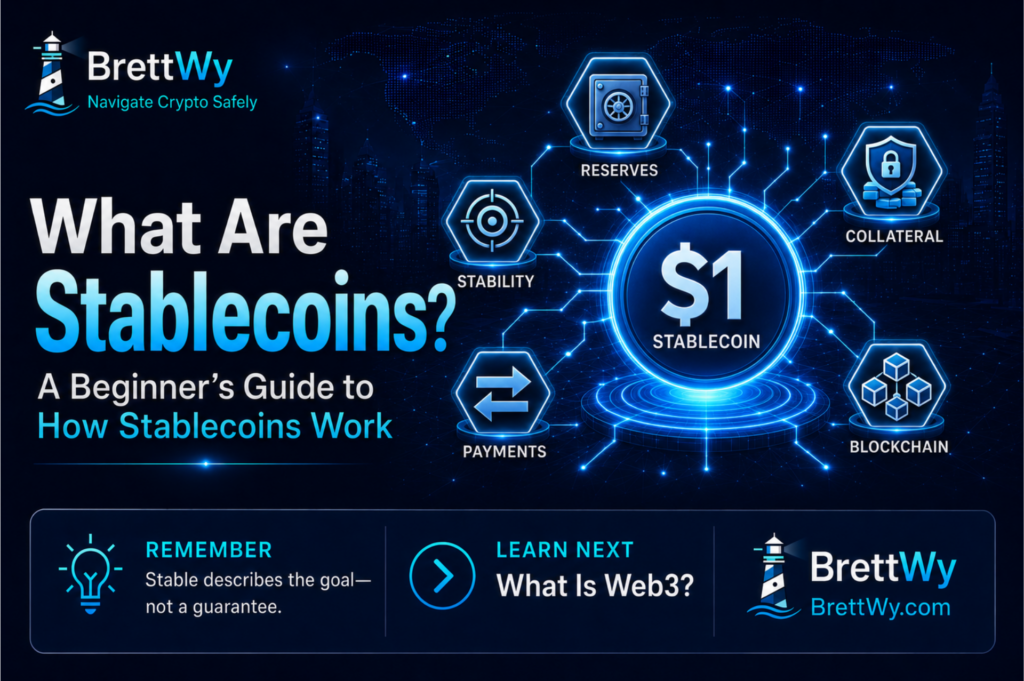
Learn what stablecoins are, how different types aim to maintain a stable value, and why that stability is not guaranteed. Explore common uses and the risks beginners should understand, including reserves, issuer reliability, and losing the intended price peg.
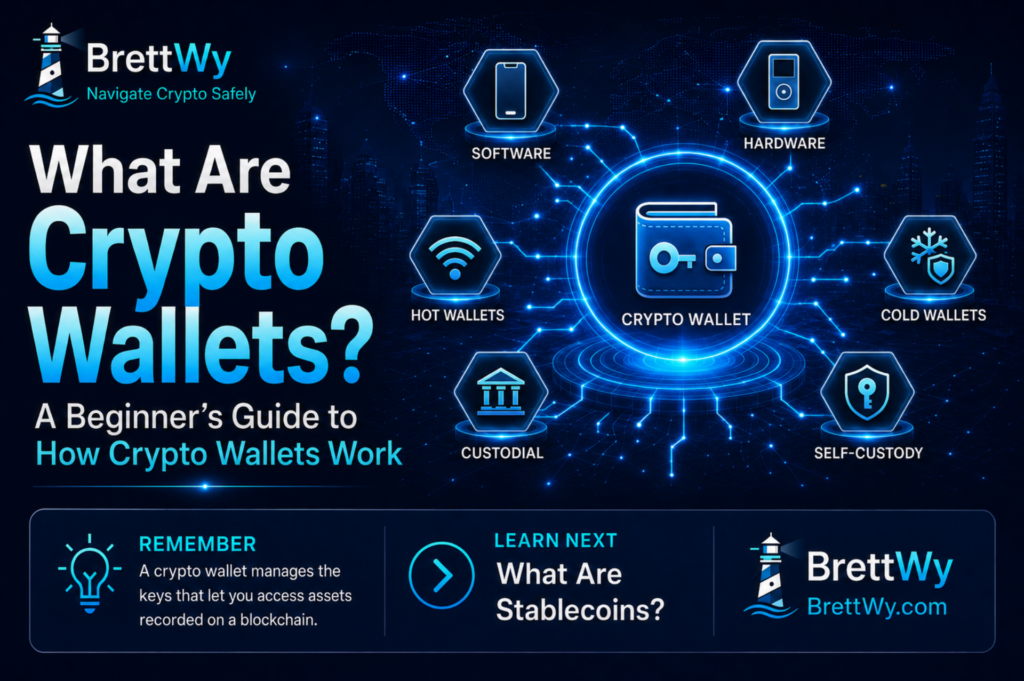
Learn how crypto wallets work and why your cryptocurrency remains on the blockchain. Understand private keys, recovery phrases, and the differences between wallet types, including who controls access and which security responsibilities and risks beginners should know.
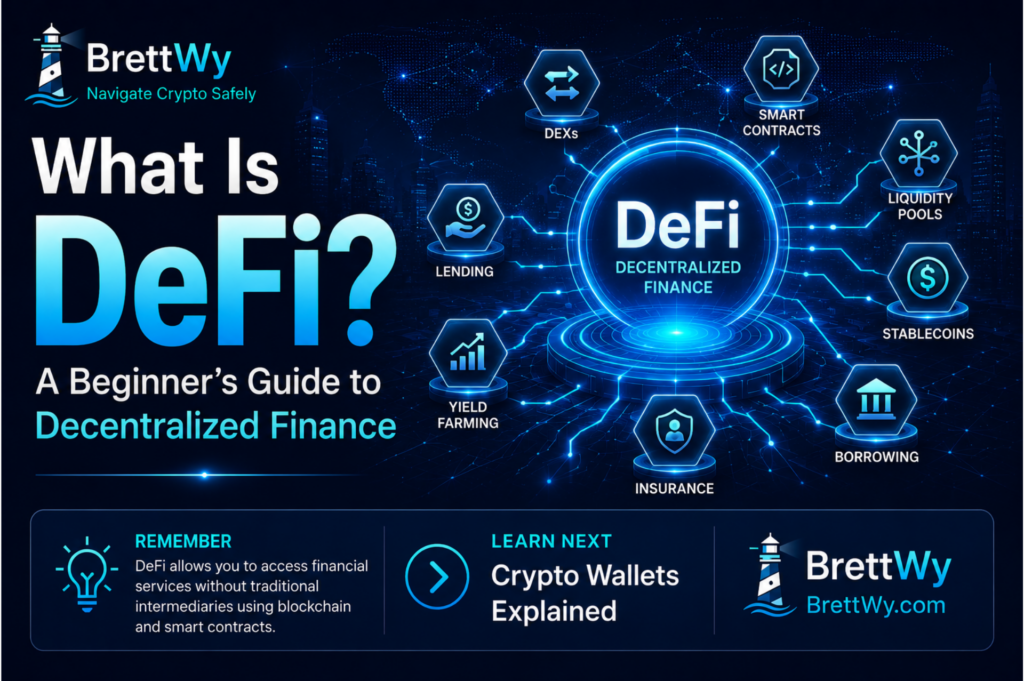
Learn what decentralized finance (DeFi) is and how blockchain applications support activities such as lending, borrowing, and trading. Explore how DeFi differs from traditional finance, along with risks involving smart contracts, collateral, scams, and limited consumer protections.
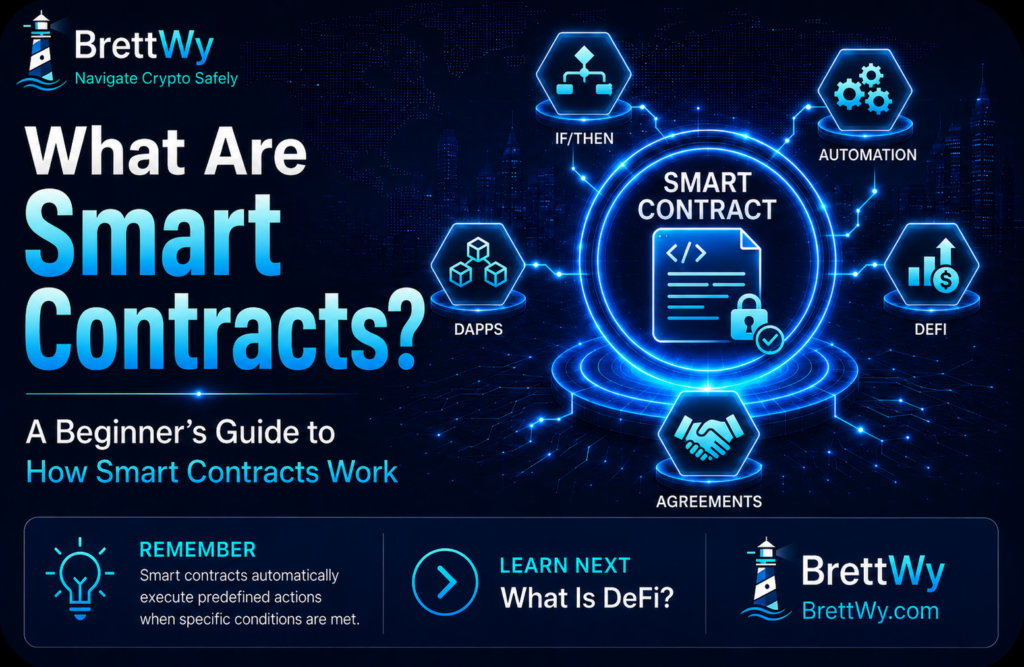
Learn what smart contracts are, how they run on blockchains, and where they are used. Explore practical examples and key limitations, including coding errors, reliance on outside data, and why automated execution does not guarantee safety or trust.

Learn what Ethereum is, how it supports smart contracts and decentralized applications, and how it differs from Bitcoin. Understand the role of ETH, transaction fees, and staking, alongside the limitations and security risks beginners should know.